
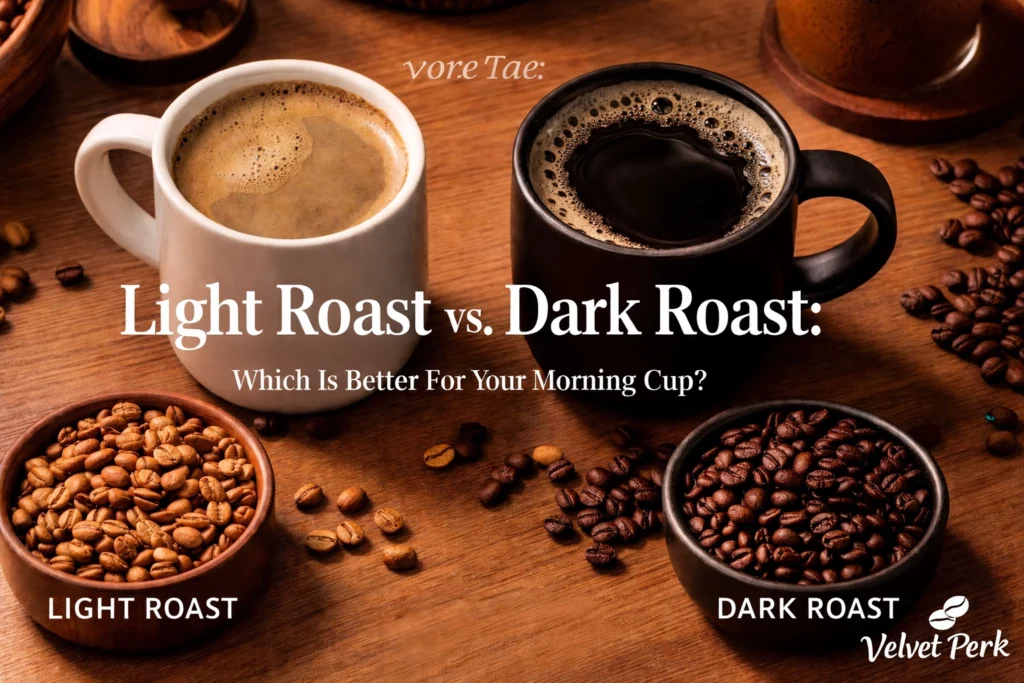
You're standing at the counter. The barista asks the question. Light roast or dark roast?
Your brain freezes. You mumble something. You pick one. But deep down? You're not really sure what you just ordered.
Sound familiar?
Don't worry, you're not alone. The light roast vs. dark roast debate has confused coffee lovers for decades. And honestly? There's a lot of misinformation floating around out there.
Today, we're breaking it all down. No coffee snobbery. No confusing jargon. Just the real deal on what makes these roasts different, which one actually has more caffeine (spoiler: it's not what you think), and how to pick the perfect roast for your morning ritual.
Grab your favorite mug. Let's get into it. ☕
What Actually Makes a Roast "Light" or "Dark"?
Before we dive into flavors and caffeine counts, let's start with the basics.
All coffee starts the same way, as green, unroasted beans. The magic happens in the roasting process. Heat transforms those little green seeds into the aromatic brown beans we know and love.
Light roast beans are roasted for a shorter time at lower temperatures. They're pulled from the roaster right after the "first crack", that's the popping sound beans make as they expand from the heat. The result? A lighter brown color and a denser bean.
Dark roast beans hang out in the roaster longer. They go past the first crack, sometimes all the way to a "second crack." More heat. More time. The beans turn dark brown (sometimes almost black) and develop oils on their surface.
That's it. Same beans, different roast times. But oh boy, does that time difference change everything.
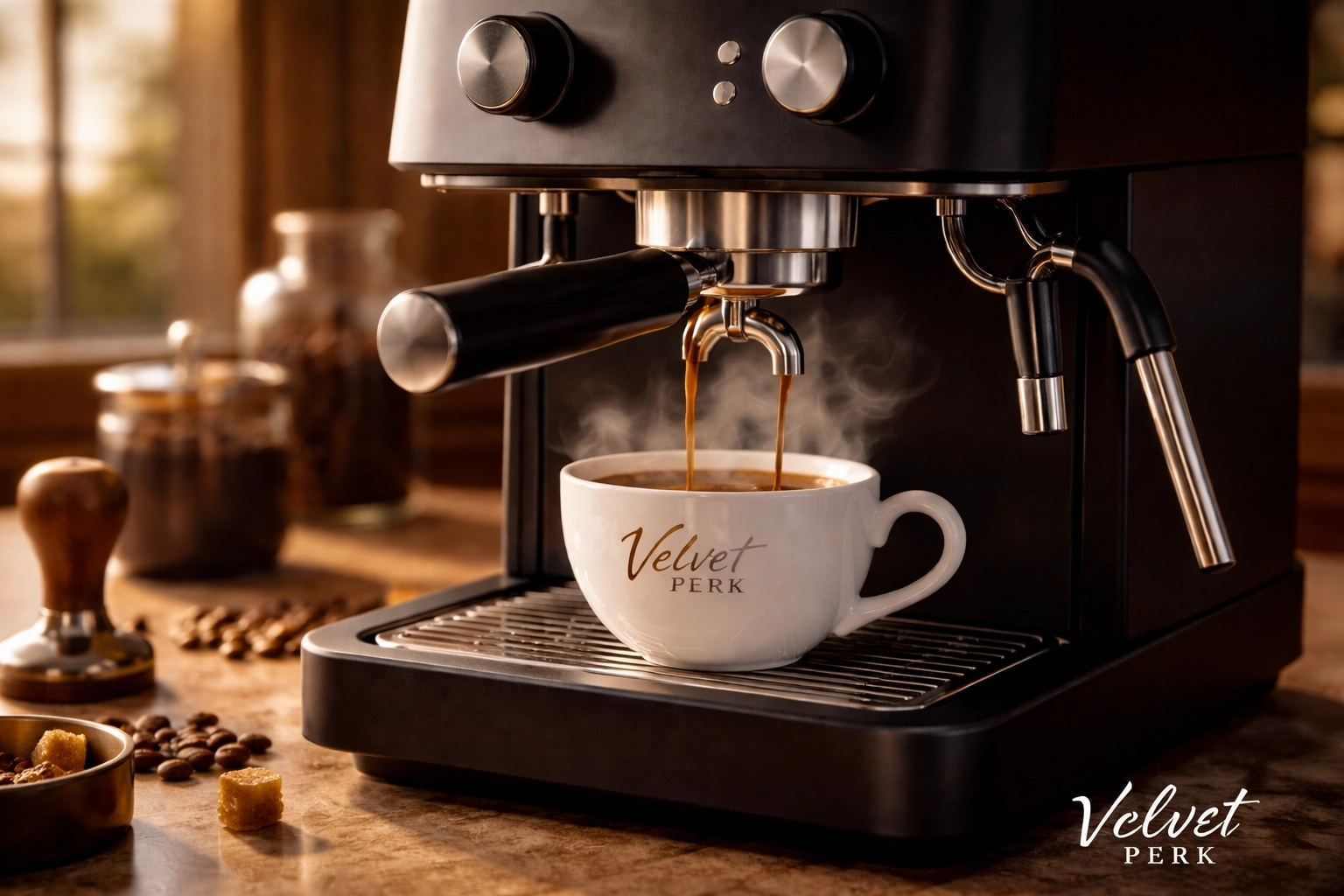
The Flavor Showdown: Bright vs. Bold
Here's where things get delicious.
Light Roast: The Flavor Explorer
Light roast is like a world tour in a cup. Because the beans spend less time in the roaster, they retain more of their original characteristics. That means the flavors are heavily influenced by where the coffee was grown, the soil, the altitude, the climate.
What you'll taste:
- Bright, crisp notes
- Fruity undertones (think berries, citrus, stone fruits)
- Floral hints
- A tea-like, clean finish
- Higher acidity (in a refreshing way, not a harsh way)
Light roast is complex. It's nuanced. It rewards you for slowing down and really tasting what's in your cup. Perfect for those mornings when you want to savor every sip.
Dark Roast: The Bold Classic
Dark roast is comfort in a cup. The longer roasting time caramelizes the sugars in the beans and brings out deeper, richer flavors. You're tasting more of the roast itself rather than the bean's origin.
What you'll taste:
- Smoky, toasty notes
- Chocolate and caramel undertones
- Nutty warmth
- A full, heavy body
- Lower acidity with a bittersweet finish
Dark roast doesn't play games. It's straightforward. Reliable. It's that friend who always shows up exactly as expected, and that's exactly why you love them.
The Great Caffeine Myth: Busted
Okay, let's tackle the big one.
"Dark roast has more caffeine because it tastes stronger."
Nope. Not true. Time to retire this myth once and for all.
Here's the real deal: light roast actually contains slightly more caffeine than dark roast.
Wait, what?
It comes down to density. Remember how light roast beans are pulled from the roaster earlier? They're denser and heavier. Dark roast beans have been roasted longer, so they've lost more moisture and expanded more. They're lighter and puffier.
So when you scoop your coffee:
- One scoop of light roast = more actual coffee matter = slightly more caffeine
- One scoop of dark roast = less dense beans = slightly less caffeine
But here's the thing: the difference is minimal. We're talking a tiny percentage. Not enough to make a real difference in your morning buzz.
The bold, intense taste of dark roast tricks your brain into thinking it's more caffeinated. But taste and caffeine content? Two totally different things.
So pick your roast based on flavor, not on some imaginary energy boost. Your tastebuds will thank you.
Acidity: The Unsung Hero of Coffee Flavor
Let's talk about a word that gets a bad rap: acidity.
In coffee terms, acidity isn't a bad thing. It's not the burn-your-stomach kind of acid. It's more like the brightness in a crisp apple or the zing in a fresh orange.
Light roast = higher acidity. That brightness makes the coffee feel lively, vibrant, and refreshing. Some people describe it as "sparkly" on the tongue.
Dark roast = lower acidity. The extended roasting process breaks down those acidic compounds. The result is a smoother, mellower cup that sits easier on the stomach.
If you're sensitive to acidic foods or just prefer a gentler morning cup, dark roast might be your best friend. If you love that wake-up zing? Light roast all the way.
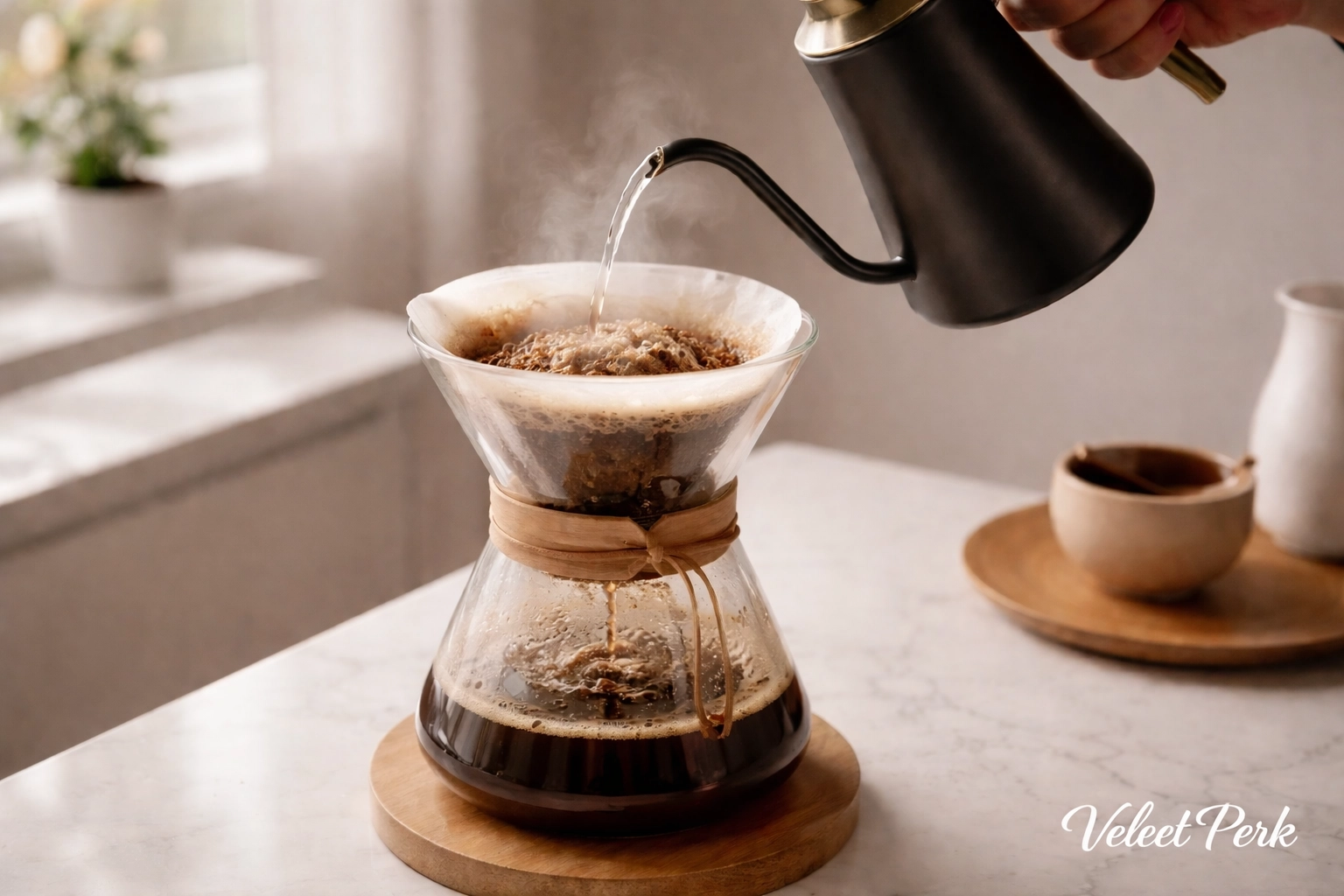
Morning, Noon, or Night: Which Roast When?
Now for the fun part. Let's match your roast to your moment.
First Thing in the Morning
Go light. That bright acidity? It's like a gentle alarm clock for your palate. The complex flavors give your brain something to focus on while you're still waking up. Plus, if you're sipping it black, light roast really shines without any additions.
Mid-Morning Pick-Me-Up
Either works! This is your wildcard moment. Feeling adventurous? Try a light roast you've never had before. Need something familiar and grounding? Dark roast has your back.
Afternoon Slump
Go dark. That bold, comforting flavor pairs perfectly with a quick mental reset. Add a pastry pairing and suddenly your 3 PM feels a lot less dreary.
After Dinner
Dark roast wins. Those chocolatey, nutty notes complement dessert beautifully. And the lower acidity means it won't upset your stomach before bed. (Just remember: caffeine is caffeine, so maybe make it a small cup!)
With Milk or Cream
Dark roast is your friend. Those bold flavors cut through dairy like a champ. Light roast can get lost when you add milk, while dark roast holds its own and creates that classic, creamy coffee taste.
How to Find Your Perfect Roast
Still not sure which team you're on? Here's a quick guide:
You might love light roast if you:
- Enjoy trying new flavor experiences
- Like your coffee black
- Appreciate fruity or floral notes in food and drinks
- Want to taste where your coffee comes from
- Enjoy a crisp, refreshing morning cup
You might love dark roast if you:
- Prefer bold, no-nonsense flavors
- Add milk, cream, or sugar to your coffee
- Love chocolate, caramel, and toasty tastes
- Have a sensitive stomach
- Want reliable, comforting consistency
And here's a secret: you don't have to choose just one.
Your mood changes. Your mornings change. Some days call for adventure. Some days call for comfort. Having both roasts in your rotation means you're always ready for whatever the day throws at you.
The Bottom Line
Light roast vs. dark roast isn't about better or worse. It's about different.
Light roast brings brightness, complexity, and origin flavors. Dark roast brings boldness, comfort, and rich depth. Neither is superior: they're just two paths to the same destination: a really good cup of coffee.
The caffeine myth? Busted. The flavor profiles? Now you know them. The best roast for your morning? That's up to you to discover.
So next time you're at the counter and someone asks "light or dark?": you'll know exactly what you're getting.
Sip. Savor. Smile.
And if you want to explore both sides of the roast spectrum, swing by Velvet Perk. We'll help you find your perfect match. ☕✨