

Here’s something most people don’t think about when they pack their favorite beans for a mountain getaway: that perfect cup you brew at sea level? It’s going to taste completely different at 8,000 feet.
Different. Not worse.
Just… transformed.
Your elevation changes everything about how water behaves, how coffee extracts, and ultimately, how those specialty coffee beans you carefully selected reveal their flavor. Whether you’re brewing in Denver, Aspen, or at your kitchen counter in Miami, altitude is quietly reshaping your coffee experience.
Let’s talk about what’s actually happening in your cup, and why premium coffee beans matter even more when you’re brewing above the clouds.
The Physics of High-Altitude Brewing
First things first. Water doesn’t play by the same rules everywhere.
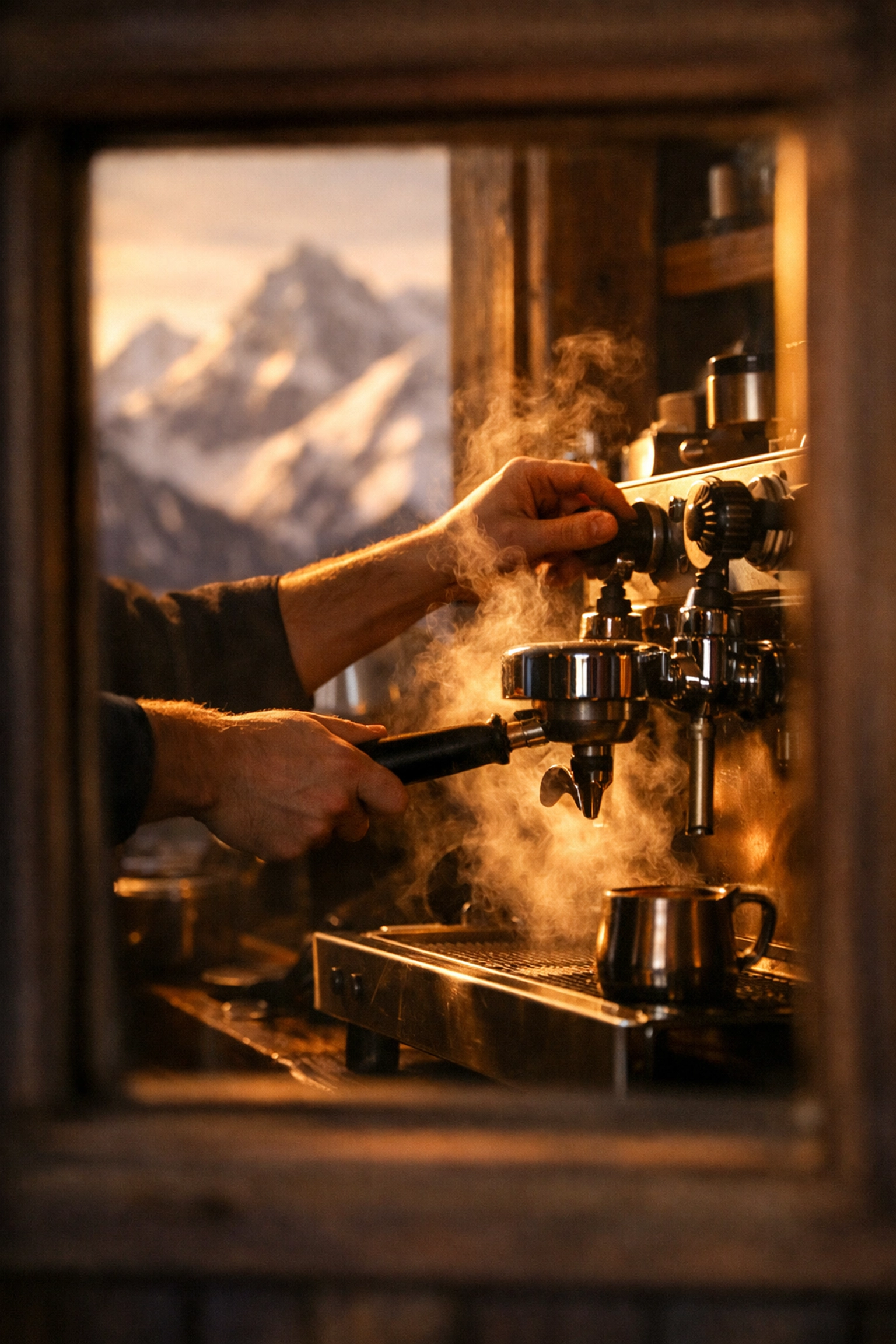
At sea level, water boils at 212°F (100°C). Clean. Predictable. Standard. But climb to 5,000 feet and that number drops to around 203°F. At 10,000 feet? You’re looking at 194°F.
!
Those aren’t just numbers on a thermometer. They’re the difference between proper extraction and weak, underwhelming coffee.
Here’s why it matters: coffee extraction is a delicate chemical dance. Too hot, and you pull bitter, harsh compounds. Too cool, and you miss the nuanced flavors you paid for. Those fresh roasted coffee beans you ordered from Velvet Perk? They’re packed with complex sugars, oils, and acids that need specific temperatures to properly dissolve and express themselves.
Lower boiling points mean slower extraction rates. Your usual four-minute pour-over? At altitude, those same four minutes might leave you with a cup that tastes thin. Sour. Incomplete.
Not the velvety, full-bodied experience you deserve.
What Actually Changes in Your Cup
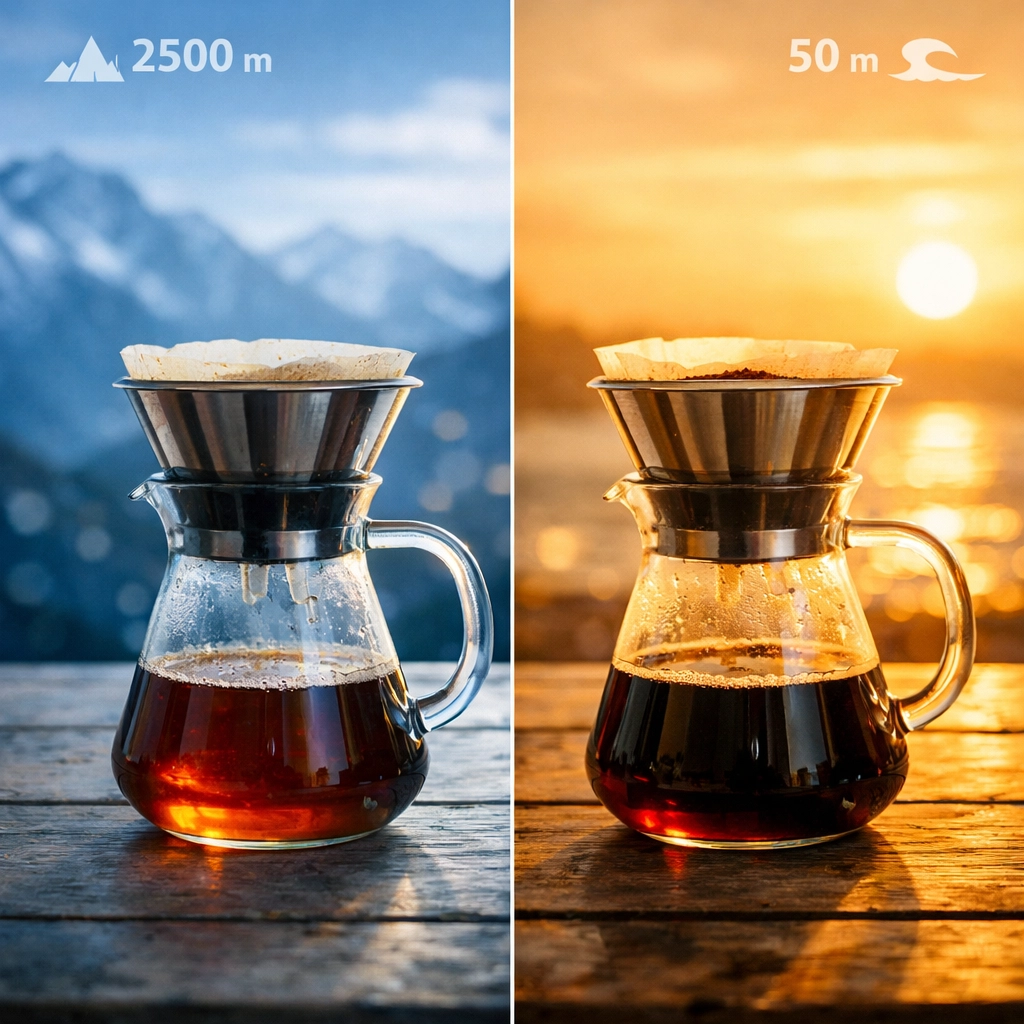
The taste difference isn’t subtle. Brew the same beans, let’s say our Royal Velvet with its smooth, bright notes, at sea level versus 7,000 feet, and you’re essentially drinking two different coffees.
At higher elevations without adjustment, you’ll notice:
Increased acidity. That brightness becomes sharpness. What should taste like citrus starts tasting… lemony. Almost tart. The extraction doesn’t have enough heat or time to balance those acids with the sweeter, more complex flavor compounds.
Thinner body. The oils and dissolved solids that create that luxurious mouthfeel? They need proper extraction. Lower temperatures leave them behind in the grounds. Your cup feels watery. Light. Almost like it’s missing something (because it is).
Muted sweetness. Those caramel notes in your medium roast, that chocolate depth in your dark roast, they require heat to fully develop. Cooler brewing temperatures keep them locked away.
!
But here’s the beautiful part: once you understand what’s happening, you can adjust. And when you do? High-altitude coffee can be extraordinary. That thinner air actually creates an opportunity for brighter, more delicate flavor profiles to shine through.
You just need to work with the environment, not against it.
How to Adjust Your Brewing Technique
Want that perfect cup at elevation? Make friends with three key adjustments.
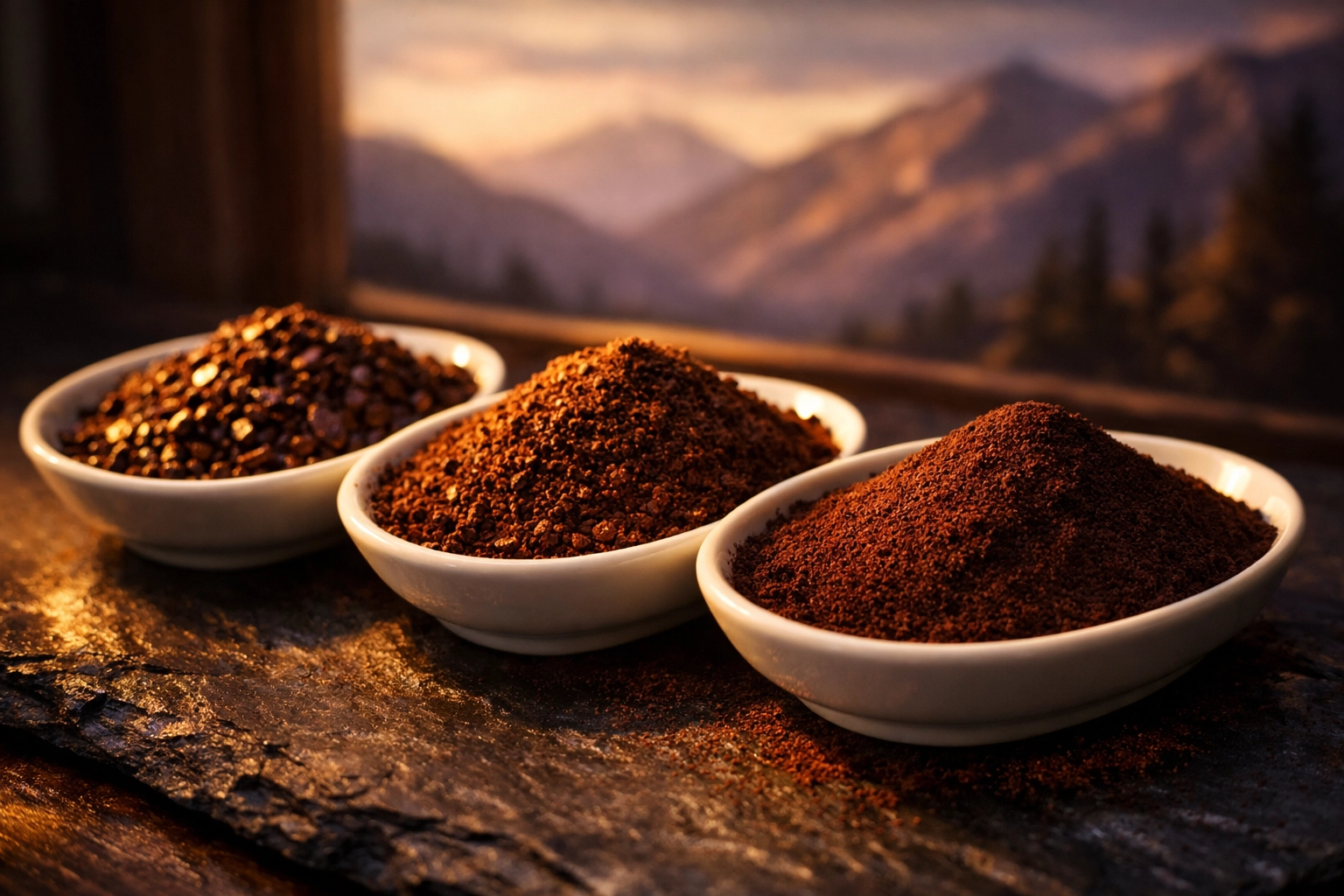
Grind finer. Smaller particles mean more surface area. More surface area means faster extraction, exactly what you need when your water isn’t hot enough to do the work efficiently. If you normally use a medium grind for pour-over, go one or two notches finer. For espresso? Push it even closer to powder.
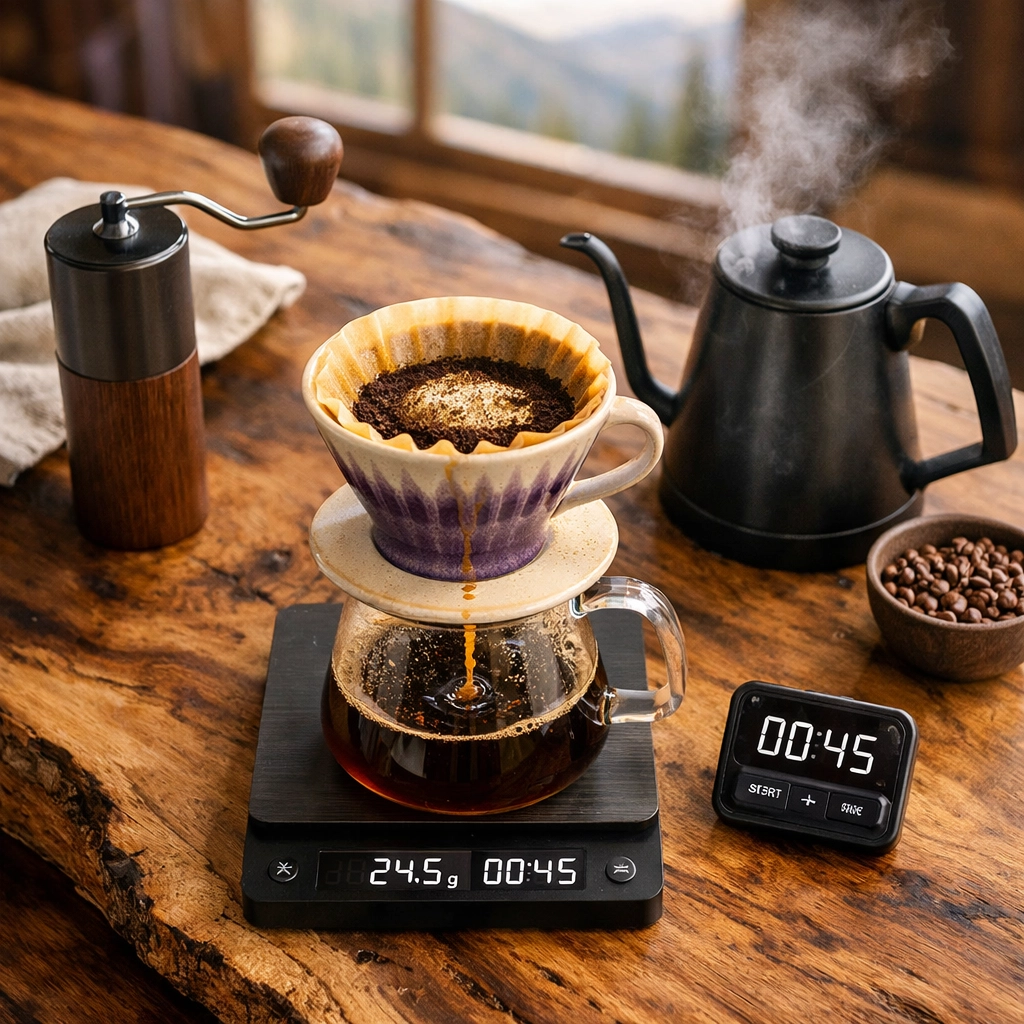
Increase your ratio. More coffee, same amount of water. This compensates for the weaker extraction by simply giving the water more material to work with. Start by adding 10-15% more coffee than you would at sea level. So if you typically use 20 grams of those premium coffee beans, try 22-23 grams instead.
Extend your brew time. Give that cooler water more contact time to pull out the flavors you’re after. Add 30 seconds to your pour-over. Let your French press steep an extra minute. The lower temperature needs that additional time to do its job properly.
!
And here’s a pro tip: if you’re brewing espresso at serious altitude (we’re talking 8,000+ feet), you might need to increase your machine’s pressure slightly. Without it, you’ll get dark, streaky shots with excessive bubbles in the crema. Not the smooth, rich pull you’re expecting from Deep Velvet or Pure Velvet.


Why Bean Quality Matters Even More at Altitude
Here’s the truth that gets overlooked: altitude doesn’t just affect how you brew. It exposes every flaw in your beans.
Lower extraction temperatures are less forgiving. They can’t mask stale flavors or roast defects the way hotter water can. That means those grocery store beans that have been sitting in a warehouse for months? They’re going to taste even more flat and lifeless at 6,000 feet than they do at sea level.
But fresh roasted coffee beans, the kind we roast to order and ship directly to your door, they respond beautifully to high-altitude brewing. Why? Because there’s actual flavor there to extract.
!
Our Royal Velvet, with its naturally bright Colombian origins? Those citrus and floral notes shine even brighter when you dial in your altitude brewing. That’s intentional complexity, not extraction failure.
Satin Velvet’s silky balance? It maintains that gorgeous middle-ground sweetness even when temperatures drop, because the bean quality is there from the start. No harsh edges to amplify. Just smooth, consistent flavor.
And for those who love the bold intensity of Deep Velvet or the midnight-dark richness of Pure Velvet? Proper high-altitude technique actually enhances those chocolate and caramel undertones rather than letting them slip into bitterness.
The beans matter. Especially when physics is working against you.
The Growing Altitude Factor (Bonus Science)
While we’re talking altitude, here’s something worth knowing: the elevation where coffee is grown is just as important as where you brew it.
Higher-grown coffee cherries, like those from Colombia, Guatemala, and Brazil that we source for our four roasts, mature more slowly in cooler mountain temperatures. That extended growing season does something magical: it concentrates sugars and acids in the bean, creating denser, more flavorful coffee from the start.
Those specialty coffee beans grown above 1,200 meters (about 4,000 feet)? They have more complexity built in. More acidity, yes. But also more sweetness, more body, more of everything that makes coffee worth slowing down for.
So whether you’re brewing at sea level or summit level, you’re starting with beans that earned their flavor through time and elevation. Then it’s just about coaxing that flavor out properly wherever you are.
Your Coffee, Your Altitude, Your Ritual
Look. Most people will never think twice about this.
They’ll brew the same way in Manhattan as they do in Boulder. Wonder why their coffee suddenly tastes different on vacation. Blame the hotel coffee maker (which, fair enough, that probably deserves blame too).
But you? You’re reading this. You care about the experience. You want that morning ritual to be exactly what you need it to be: whether you’re watching the sunrise from your apartment or from a cabin at 9,000 feet.
That’s why we roast to order. That’s why we ship direct. Because premium coffee beans deserve to be brewed with intention, wherever you are. And your mornings deserve better than guesswork.
So next time you’re packing for the mountains or moving to a new city, remember: your elevation is part of your coffee story now. Adjust your grind. Trust your taste buds. Give yourself permission to experiment.
And when you find that perfect high-altitude cup: bright, balanced, and yours: it’ll taste even better knowing you understood the science behind it.
Sip. Savor. Smile.
Ready to experience how truly fresh beans perform at any altitude? Explore our roasts and taste the difference that roasted-to-order makes( from sea level to summit.)