
Here’s something most people don’t realize: that bag of coffee you grabbed at the grocery store?
It’s already stale.
Not kinda-sorta stale. Not “still okay” stale.
Actually stale. As in, it peaked weeks ago, maybe even months ago, before you ever touched it.
And you’re about to find out why that matters more than you think.
The Shelf Life Problem Nobody Talks About
Commercial coffee lives a long, slow death.
It gets roasted in massive batches at a facility somewhere. Then it sits in a warehouse. Then it travels to a distribution center. Then it sits on a store shelf under fluorescent lights.
By the time you brew it, those beans have been slowly losing everything that made them special.
The bright notes? Gone.
The complex flavors? Faded.
That rich, intoxicating aroma? A ghost of what it once was.
Most store-bought coffee is anywhere from 3 to 6 months old when you buy it. Some of it? Even older. (We won’t name names, but you know the ones.)
Your coffee isn’t bad because you’re brewing it wrong.
It’s bad because it was never fresh to begin with.

What ‘Roasted to Order’ Actually Means
Here’s where things get interesting.
Roasted to order means exactly what it sounds like: we don’t roast your coffee until you order it.
No sitting. No waiting. No warehouses.
You click. We roast. We ship.
Your beans arrive at your door within days, not weeks, not months, of being roasted. You’re getting coffee at its absolute peak potential, not a shadow of what it could have been.
Think of it like this: would you rather eat bread baked fresh this morning, or bread that’s been sitting on a shelf since last month?
Your coffee deserves the same consideration.
The Science of Fresh (Without the Boring Parts)
Let’s talk chemistry for a second. Don’t worry, we’ll keep it painless.
When coffee beans are roasted, they release CO2. This is called degassing, and it continues for several days after roasting.
Too fresh? The CO2 interferes with brewing. Your coffee tastes flat or sour.
But here’s the magic: after about 3 to 7 days, those beans hit their sweet spot. The degassing slows down. The flavors bloom. Everything clicks into place.
This is the window. The golden moment when specialty coffee beans deliver everything they’re supposed to.
And this window lasts about 4 to 6 weeks after roasting.
After that? Oxidation takes over.
The oils go rancid. The subtle notes vanish. The complexity flattens into that one-note bitterness everyone associates with “coffee taste.”
Store-bought coffee arrives at your kitchen already halfway through, or entirely past, that window.
What You Lose When Coffee Goes Stale
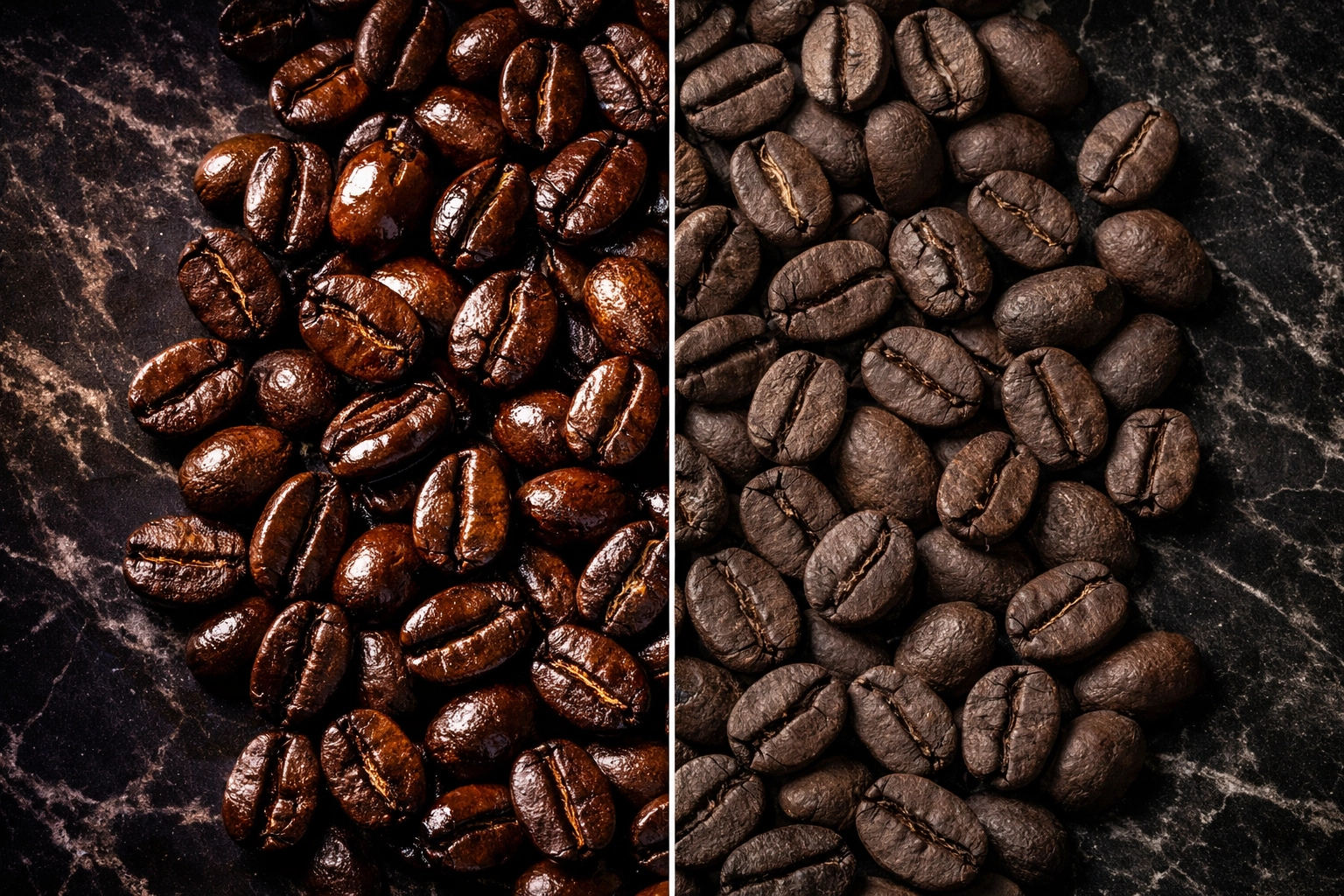
Fresh roasted coffee beans give you four things that stale coffee can’t:
Aroma. That intoxicating smell when you open the bag? That’s volatile compounds that disappear the moment beans are exposed to air. Fresh coffee smells like a promise. Stale coffee smells like… well, coffee.
Flavor complexity. Premium coffee beans develop dozens of nuanced notes during roasting: berries, chocolate, caramel, florals. Freshness keeps those notes alive. Staleness erases them one by one until you’re left with generic “coffee flavor.”
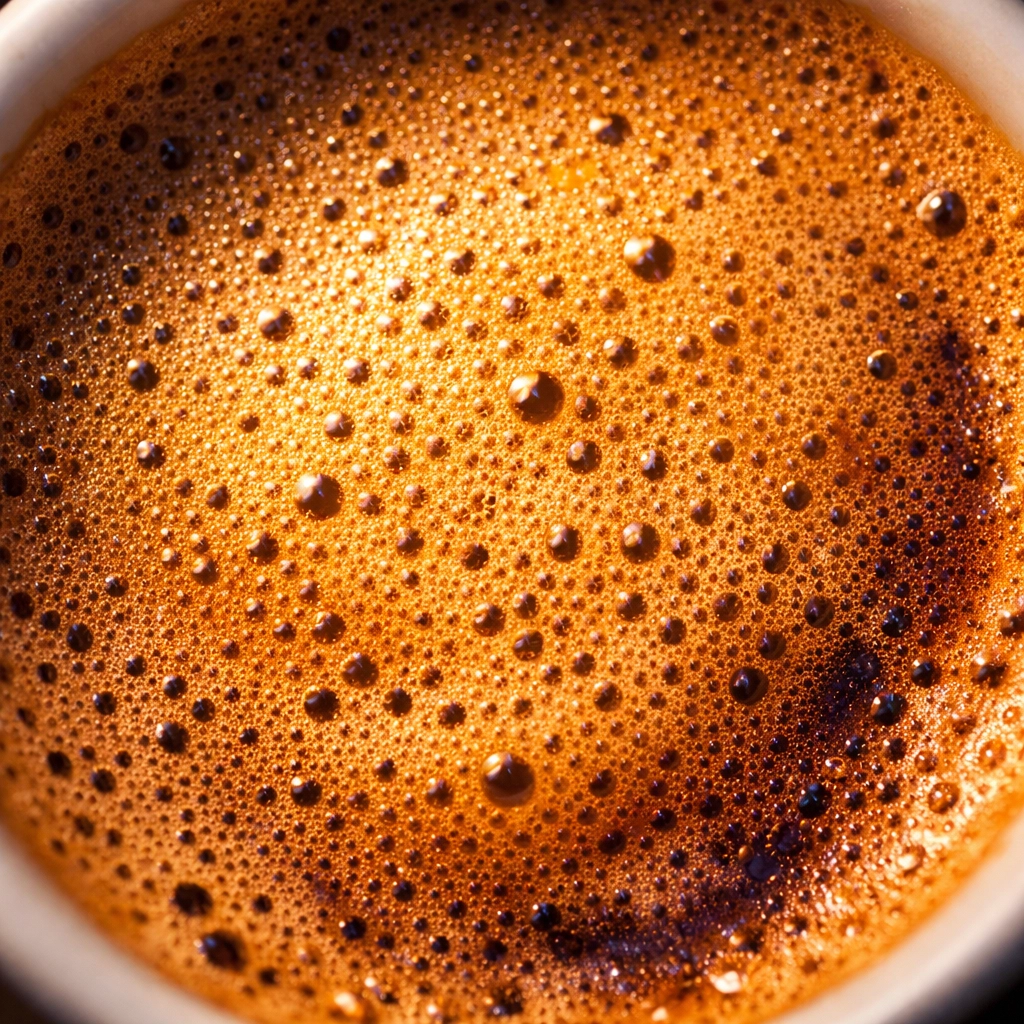
Crema. If you’re brewing espresso, fresh beans produce that gorgeous golden crema on top. It’s not just pretty. It’s a sign that your beans are still vibrant and alive. Stale beans? Thin, sad crema that disappears in seconds.
Body. The mouthfeel. The weight. That velvety texture that makes you close your eyes and just feel the coffee coat your tongue. Fresh beans deliver body. Stale beans deliver water with a coffee aftertaste.
You’re not imagining it.
Fresh coffee genuinely tastes different.
Richer. Smoother. More there.
The Velvet Perk Difference: No Middlemen, No Shortcuts
Here’s how most coffee gets to you:
Farm → Importer → Warehouse → Roaster → Distributor → Store → Your kitchen.
That’s a lot of stops. A lot of time. A lot of opportunities for those beans to sit around getting older.
Here’s how our coffee gets to you:
Farm → Velvet Perk → Your kitchen.
We skip the middlemen. We work directly with farmers who hand-pick premium beans. We roast in small batches right here in Chantilly, VA. We ship the same week we roast.
You’re not buying coffee that was roasted for “someone eventually.”
You’re buying coffee that was roasted for you. Specifically. With your order number on it.
This isn’t just about freshness.
It’s about intention. Care. Treating coffee like the craft it is instead of a commodity to be mass-produced and forgotten.
Why Freshness Creates That Velvety Finish
You know that smooth, almost creamy texture we’re always going on about?
That signature Velvet Perk finish that makes every sip feel luxurious?
That’s freshness at work.
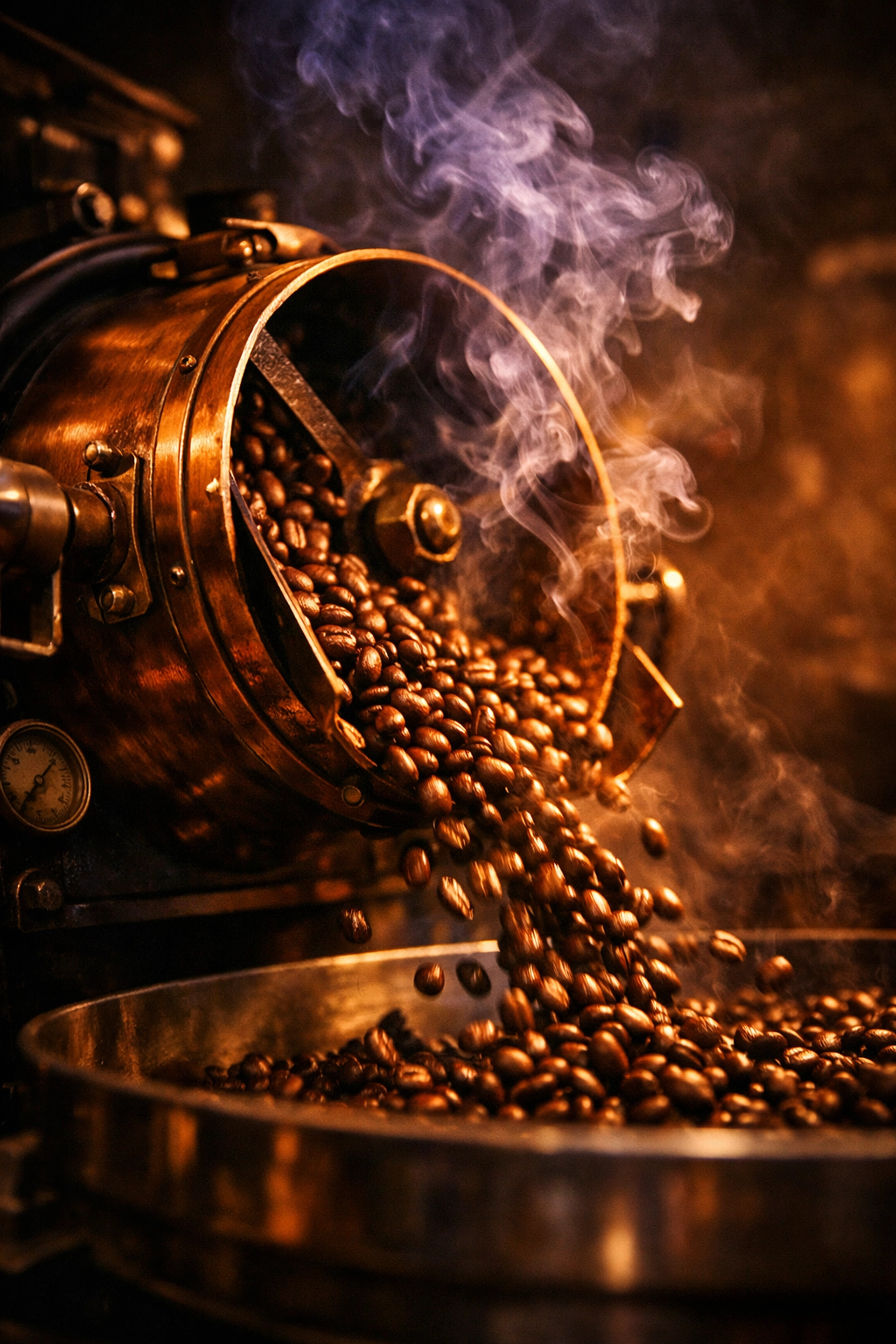
When premium coffee beans are roasted to order and brewed at their peak, the natural oils are still vibrant. They haven’t oxidized. They haven’t turned bitter.
Those oils are what create body. Texture. That silky mouthfeel that makes your coffee feel like an experience instead of just a caffeine delivery system.
Fresh beans also retain their natural sweetness. You don’t need to drown them in sugar to make them palatable. The coffee itself tastes smooth. Balanced. Complete.
Stale coffee? You’re fighting against bitterness and flatness. You’re compensating with cream and sweeteners just to make it drinkable.
Fresh coffee? You’re savoring.
There’s a difference.
How to Spot Fresh Coffee (And Avoid the Fakes)
Not everyone who says “fresh” means it.
Here’s what to look for when you’re shopping for the best coffee beans online:
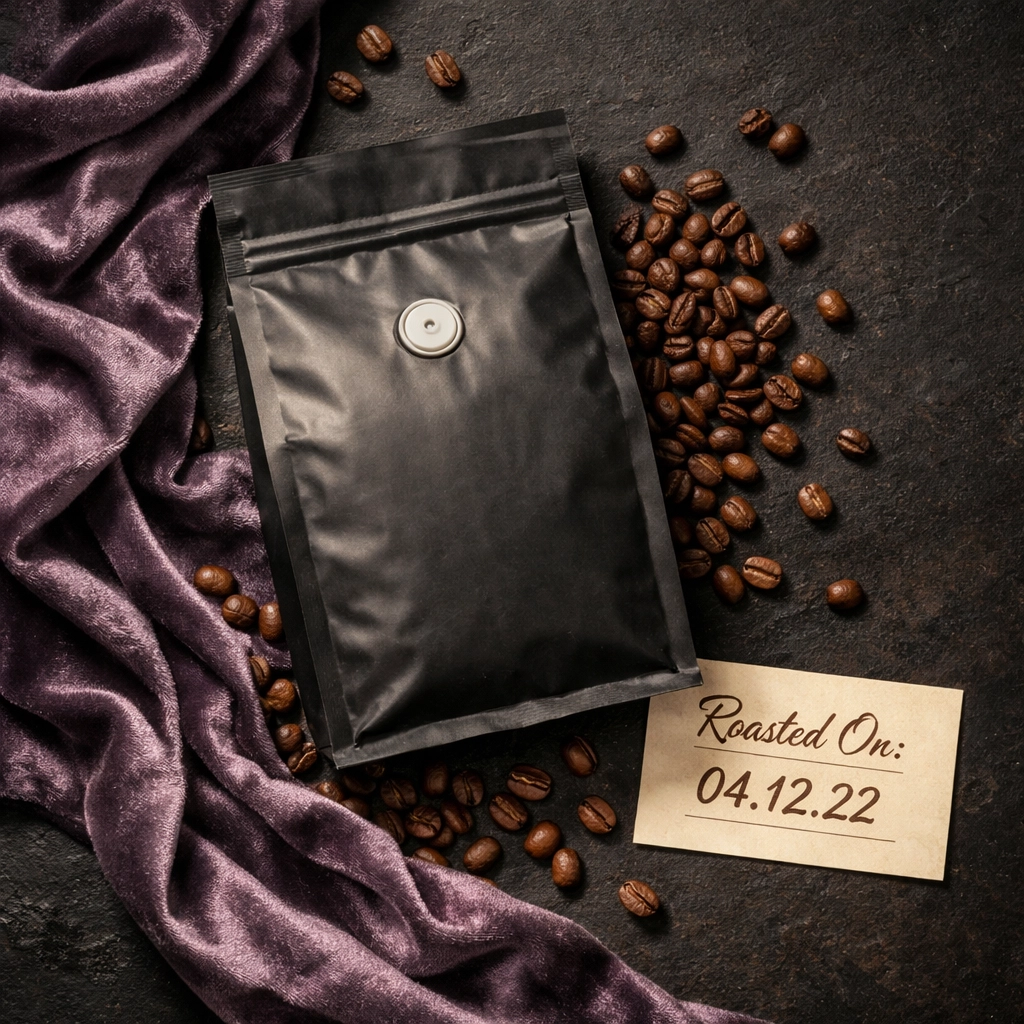
A roast date. Not a “best by” date. An actual roast date. If it’s not on the bag, that’s your first red flag.
Small batch roasting. Big operations roast thousands of pounds at once. Small operations roast what they need, when they need it. You want the latter.
Direct shipping from the roaster. If your coffee is shipping from a warehouse somewhere, it’s not fresh. Period.
Valve-sealed bags. Fresh coffee releases CO2. Quality bags have one-way valves that let gas out without letting air in. If the bag doesn’t have a valve, those beans are either old or not properly protected.
Communication from the seller. Do they talk about freshness? Do they explain their process? Or do they just slap “premium” on everything and hope you don’t ask questions?
At Velvet Perk, we put the roast date right on every bag. We tell you exactly where the beans came from. We ship directly from our roasting facility.
No games. No tricks. Just transparency and really, really good coffee.
The Real Cost of Stale Coffee
Let’s be honest: roasted to order coffee costs a little more than the stuff on the grocery store shelf.
But here’s what you’re actually paying for with that cheaper bag:
- Beans that peaked months ago
- Flavors that have faded into generic bitterness
- A “good enough” experience instead of a “close your eyes and savor” experience
- The frustration of never quite understanding what great coffee is supposed to taste like
You’re not saving money.
You’re settling.
And your mornings: those precious, quiet moments before the world demands things from you: deserve better than “good enough.”
Fresh roasted coffee beans aren’t a luxury. They’re the baseline for what coffee is supposed to be.
Everything else is just… stale.
From Our Roaster to Your Ritual
Here’s how it works when you order from us:
You choose your roast. (Royal Velvet, maybe? Or perhaps something darker?)
We roast it within 24 to 48 hours of your order.
We let it rest for a few days to hit that perfect degassing window.
We bag it. Seal it. Ship it.
You receive coffee that’s less than a week old.
You brew it during that magical 4-to-6-week peak freshness window.
You taste the difference immediately.
The brightness. The complexity. The velvety body that makes every sip feel like a small indulgence.
This is what specialty coffee beans are supposed to taste like.
Not the faded, bitter version you’ve been drinking. The real thing.
The version that makes you understand why people get passionate about coffee in the first place.
Your Mornings Deserve This
You don’t need us to tell you that your morning coffee matters.
You already know.
It’s the pause before the chaos. The moment of warmth before the cold world rushes in. The ritual that grounds you before everything else pulls you in a thousand directions.
Why would you trust that moment to stale beans?
Roasted to order coffee isn’t about being fancy. It’s about honoring the one moment of the day that’s entirely yours.
It’s about treating yourself the way you treat things you actually care about.
With intention. With quality. With the understanding that some things are worth doing right.
Your coffee is one of those things.
We’re here to make sure you get it fresh. Every single time.
Ready to taste the difference? Shop our collection and discover what coffee tastes like when it’s roasted for you: not for “someone, eventually.”
Sip. Savor. Smile.
We’ll see you soon.